The sofa is the most important piece of furniture in a home. Choosing the right sofa not only enhances the aesthetic appeal of your space but also offers a comfortable and relaxing seating experience that brings people closer together. A good sofa can gather us in the same space, whether we are doing what we love or sharing our daily lives.
This article will guide you through 7 steps to help you find the perfect sofa for your needs.
Table of Contents
Understanding Space Dimensions
Determining the Number of Users
Choosing the Sofa Type
Matching the Sofa with the Space Style
Selecting the Material Style
Is it Ergonomic?
Sofa Height and Depth
Sofa Seating Comfort
Choosing a Durable Sofa
Sofa Frame
Sofa Base Support
Final Checks Before Purchase: Delivery, Warranty, and Maintenance
Conclusion
BUNISE Sofa Collection
1. Understanding Space Dimensions
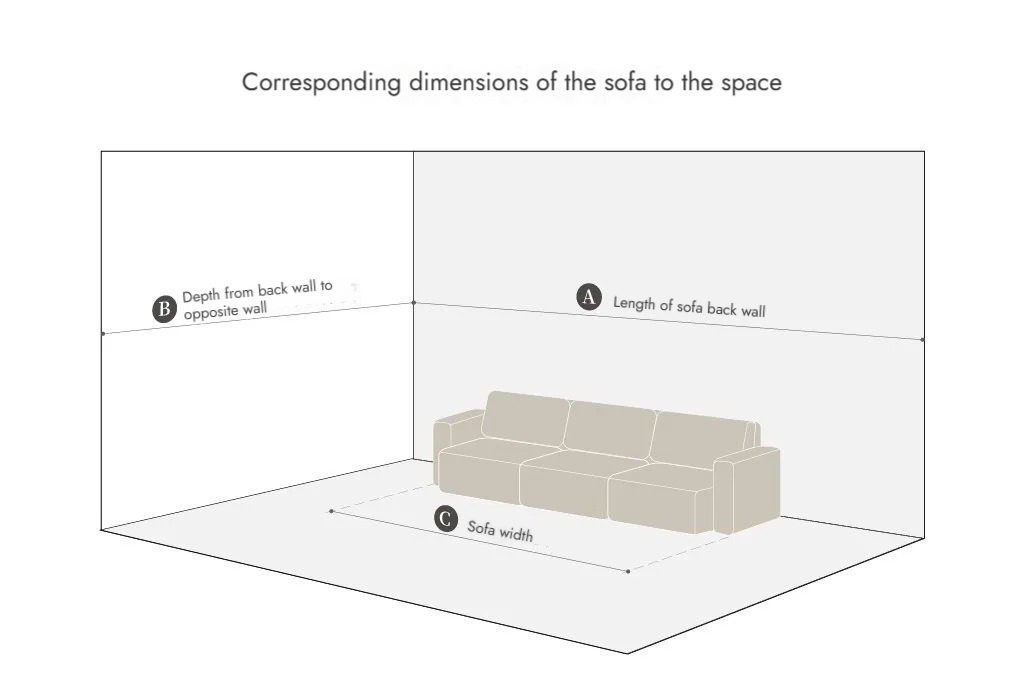
The first step in choosing a sofa is to take a tape measure and understand the dimensions of your living room to determine the appropriate size of the sofa for your home. Measure the width and depth of the wall behind where the sofa will be placed, and also consider the flow of movement around the sofa to make a proper assessment.
“A Sofa Back Wall Length”
Subtract the space required for side tables, storage cabinets, and lighting fixtures from the “A Sofa Back Wall Length” to estimate the “C Sofa Width.”
The “B Sofa Back Wall to TV Wall Depth” minus the depth of the sofa will give you the space in front of the sofa. Based on this measurement and your usage habits, you can determine whether to opt for a deeper sofa, such as an L-shaped sofa, bay sofa, or chaise lounge.
*Note: If there is a TV cabinet in front of the TV wall, be sure to subtract the depth of the TV cabinet as well.
2. Determining the Number of Users
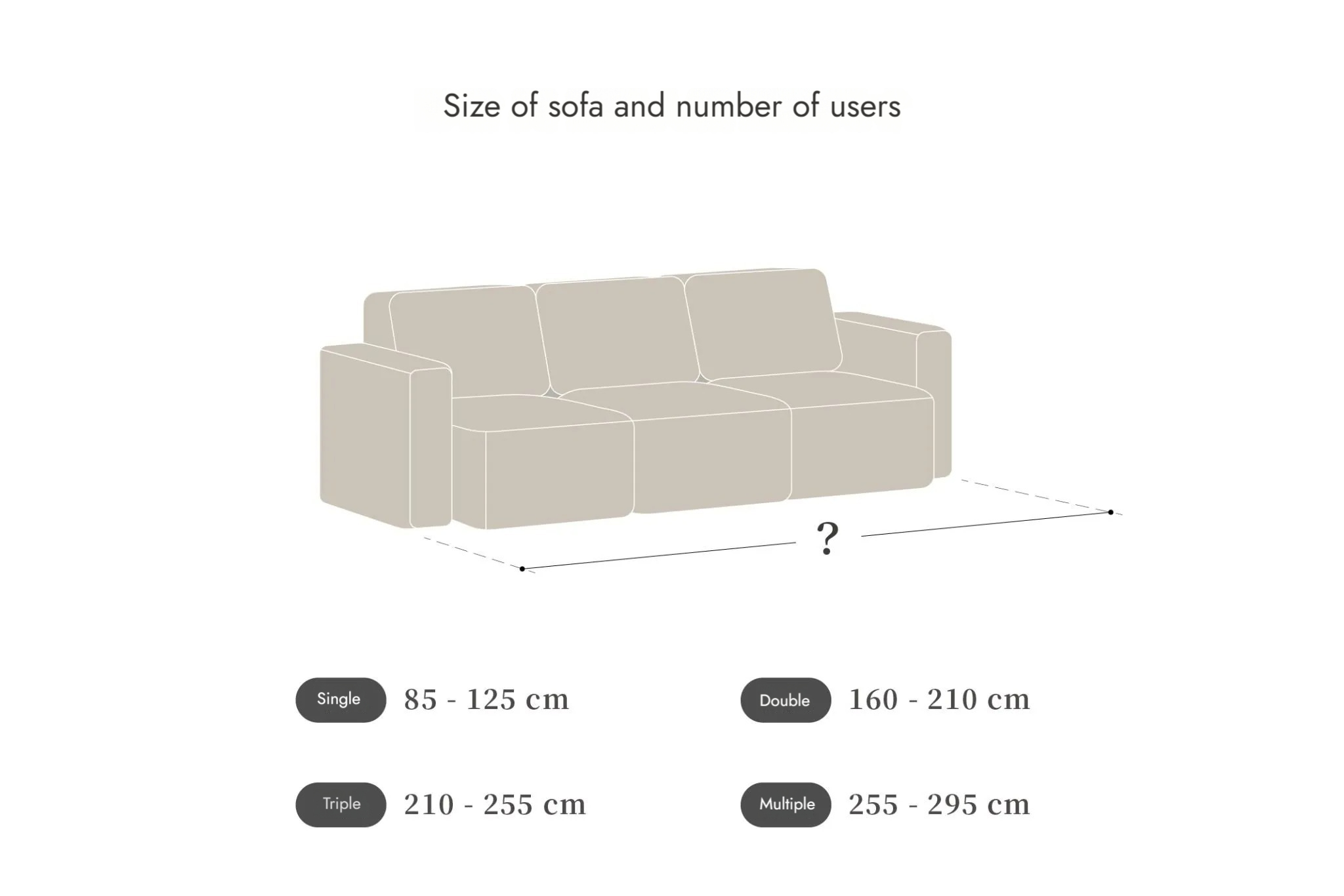
Consider the regular number of people in your household and whether you frequently have guests, as this will influence the size of the sofa you need. Common sofa types include single-seater, two-seater, three-seater, and multi-seater sofas. Choose the appropriate size based on the number of users and their usage habits.
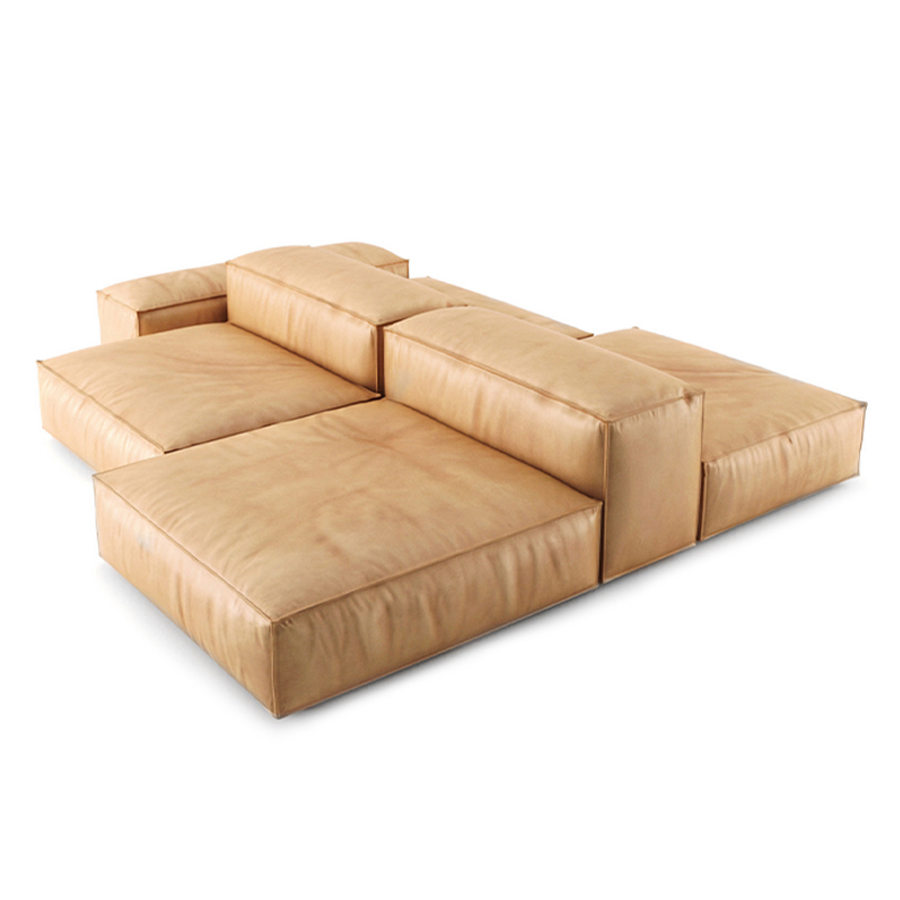
BUNISE’s Cubist, Extrasoft, and many others belong to the category of modular sofas, allowing users to construct a sofa that fits their home space through “unit assembly.” This approach eliminates the need to settle for existing sofa sizes or worry about the proportions of a custom-length sofa.
3. Choosing the Sofa Type
There are many types of sofas, such as high-back sofas, low-back sofas, L-shaped sofas, chaise lounges, and sofas with legs. Understanding the characteristics of each type can help you decide which is the best fit based on your needs, space, and the number of users.
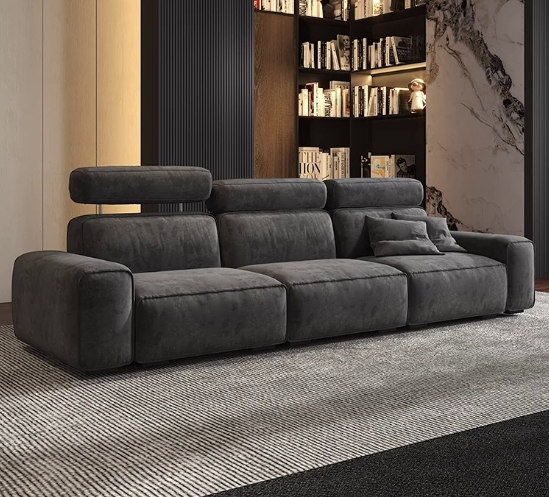
BUNISE EXTRASOFT SOFA
The Extrasoft sofa offers a variety of modular options, allowing you to maximize creativity and imagination within a limited space.
BUNISE CHATEAU SOFA
The CHATEAU sofa features a unique “Q-Note Backrest,” allowing for an easy transition between high-back and low-back configurations, ensuring everyone can find their most comfortable position.
Matching the Sofa with the Space Style?
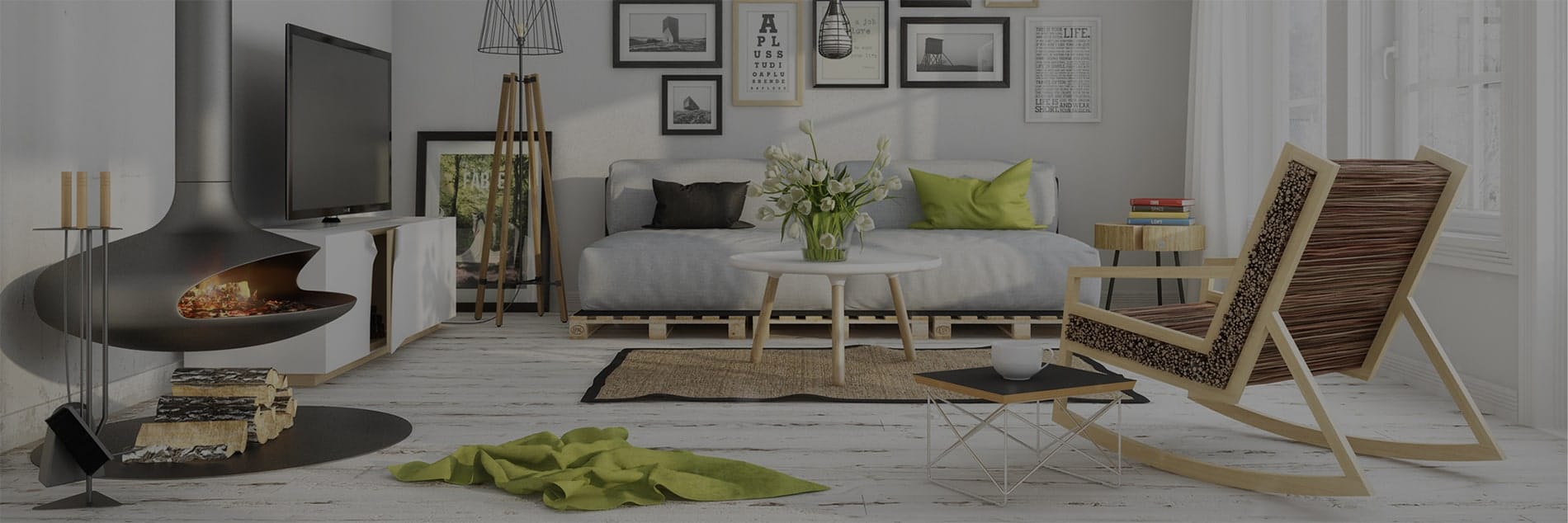
Some people worry about whether the sofa needs to match the style of their space. In reality, modern and minimalist styles have become mainstream trends in recent years, so choosing a sofa with a strong modern aesthetic will generally blend well with various styles of spaces. If you want to define the style of your home more clearly, you can achieve consistency by selecting sofa fabrics such as leather or fabric, different color schemes, and various textures.
4.Selecting the Material Style
The sofa surface is a material we interact with frequently, so it’s important to start by deciding between fabric and leather sofas based on your preferences. Once you’ve narrowed down your choice, you can explore the specific characteristics of each material and select the material style that best matches your desired aesthetic and usage habits.
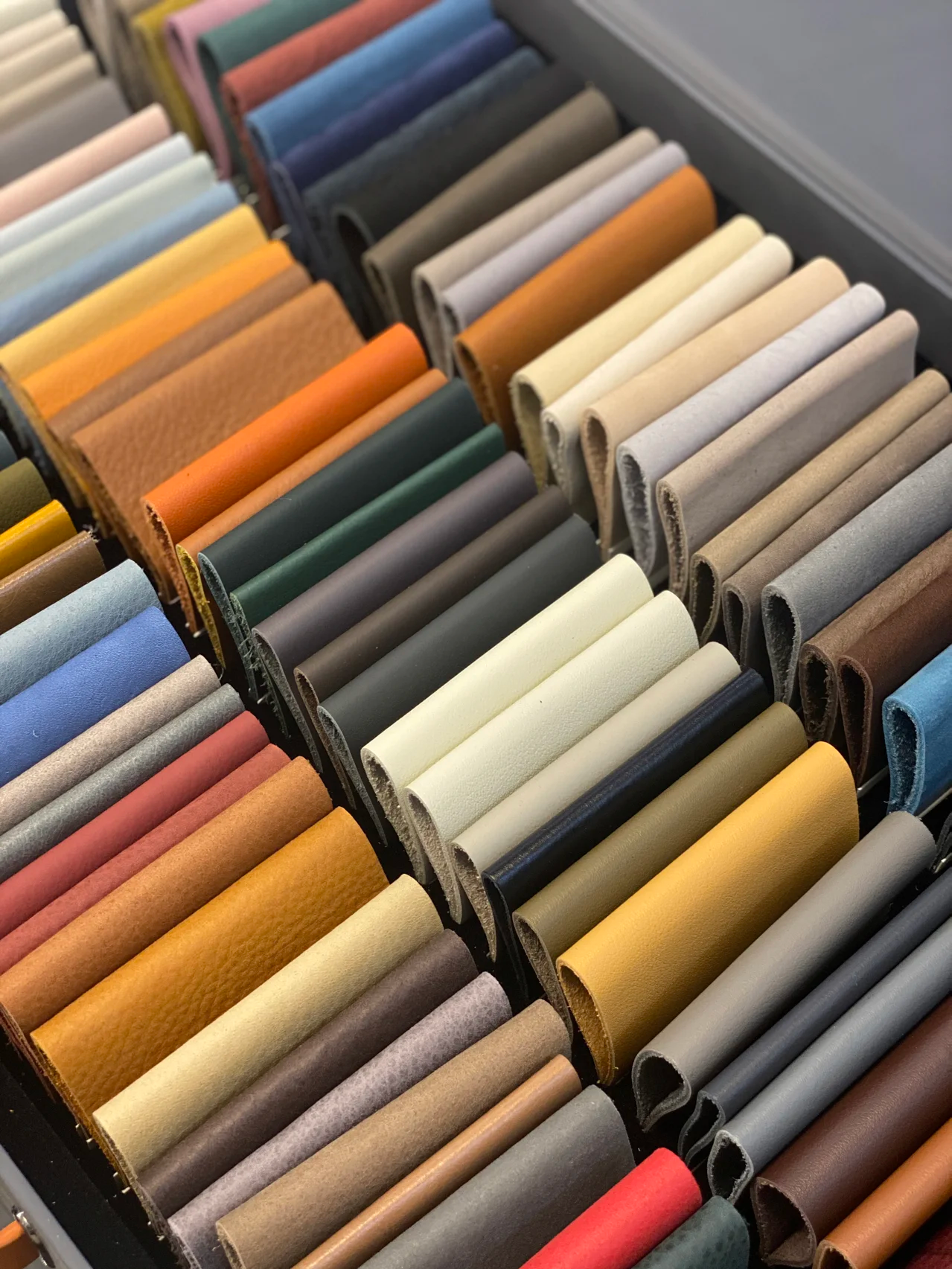
BUNISE LEATHER SAMPLES
Comparing Styles: Fabric Sofas vs. Leather Sofas
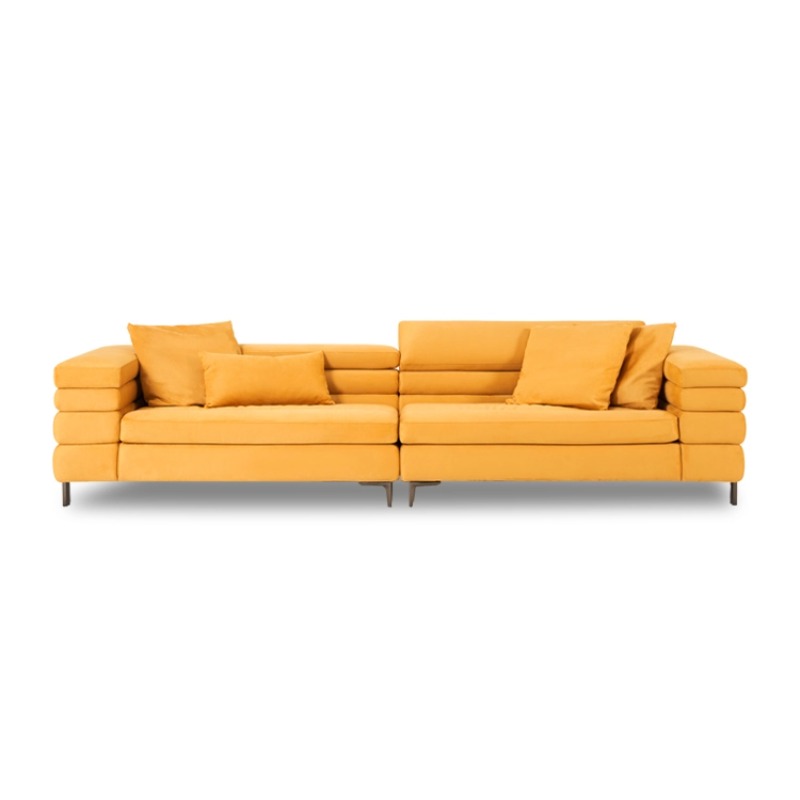
BUNISE TERRACES SOFA
Fabric sofas are ideal for creating a relaxed and natural home environment. They allow for a wide range of color choices and fabric styles, helping you achieve a distinctive personal style.
Leather sofas, on the other hand, are commonly found in classic and sophisticated settings. They add a sense of elegance and luxury to the overall home decor.
BUNISE FERRARI SOFA
Comparing Sensations: Fabric Sofas vs. Leather Sofas
Fabric Sofas: Made from materials such as cotton, wool, or synthetic fibers, fabric sofas offer a soft and comfortable feel. When seated, you can slightly feel the texture of the fabric. High-quality functional fabrics provide additional benefits like stain resistance and durability against pet claws, while still maintaining good breathability.
Leather Sofas: Crafted from animal leather or synthetic alternatives, high-quality leather, such as genuine cowhide, offers a smooth, soft, and refined texture. The natural feel of leather can add a touch of sophistication to your space.
Since tactile sensations can’t be fully appreciated through photos, it’s recommended to visit a showroom to physically experience the fabric and leather options. This way, you can find the material that best suits your preferences.
Comparing Cleaning and Maintenance: Fabric Sofas vs. Leather Sofas
Fabric sofas are often misunderstood as being harder to clean than leather sofas. However, this largely depends on the fabric’s functionality. High-quality stain-resistant fabrics can be very easy to clean, with stains often removable using just water. In contrast, genuine leather sofas require attention to environmental factors like humidity and sunlight, making their maintenance more demanding.
Comparing Durability: Fabric Sofas vs. Leather Sofas
Leather Sofas: It is often assumed that leather sofas are more durable than fabric ones. High-quality genuine leather, such as top-grain or full-grain cowhide, is known for its resilience and resistance to wear and tear. With proper care, these sofas can last for many years. However, lower-quality leather may deteriorate, crack, or show signs of wear over time.
Fabric Sofas: Fabric sofas can sometimes show signs of wear, such as fraying or pilling, especially if the fabric quality is lower. However, high-quality fabrics, with certifications like MARTINDALE abrasion resistance and PILLING resistance, can offer excellent durability and resist common issues like wear and tear.
Key Considerations for Choosing Sofa Fabric
Aesthetic and Sensory Preference: Your visual and tactile preferences should guide your choice. Consider how the fabric feels and looks to ensure it matches your comfort and design needs.
Functionality: Evaluate the fabric’s resistance to stains and scratches. High-quality, stain-resistant fabrics can be easier to maintain and more durable against everyday use.
The ease of cleaning and durability of a fabric largely depend on its type and the actual test data. If a fabric is described using vague terms without supporting test data, it’s wise to inquire further and evaluate all factors to find the most suitable material.
5. Is it Ergonomic?
A.Sofa Height and Depth
Sofa Height
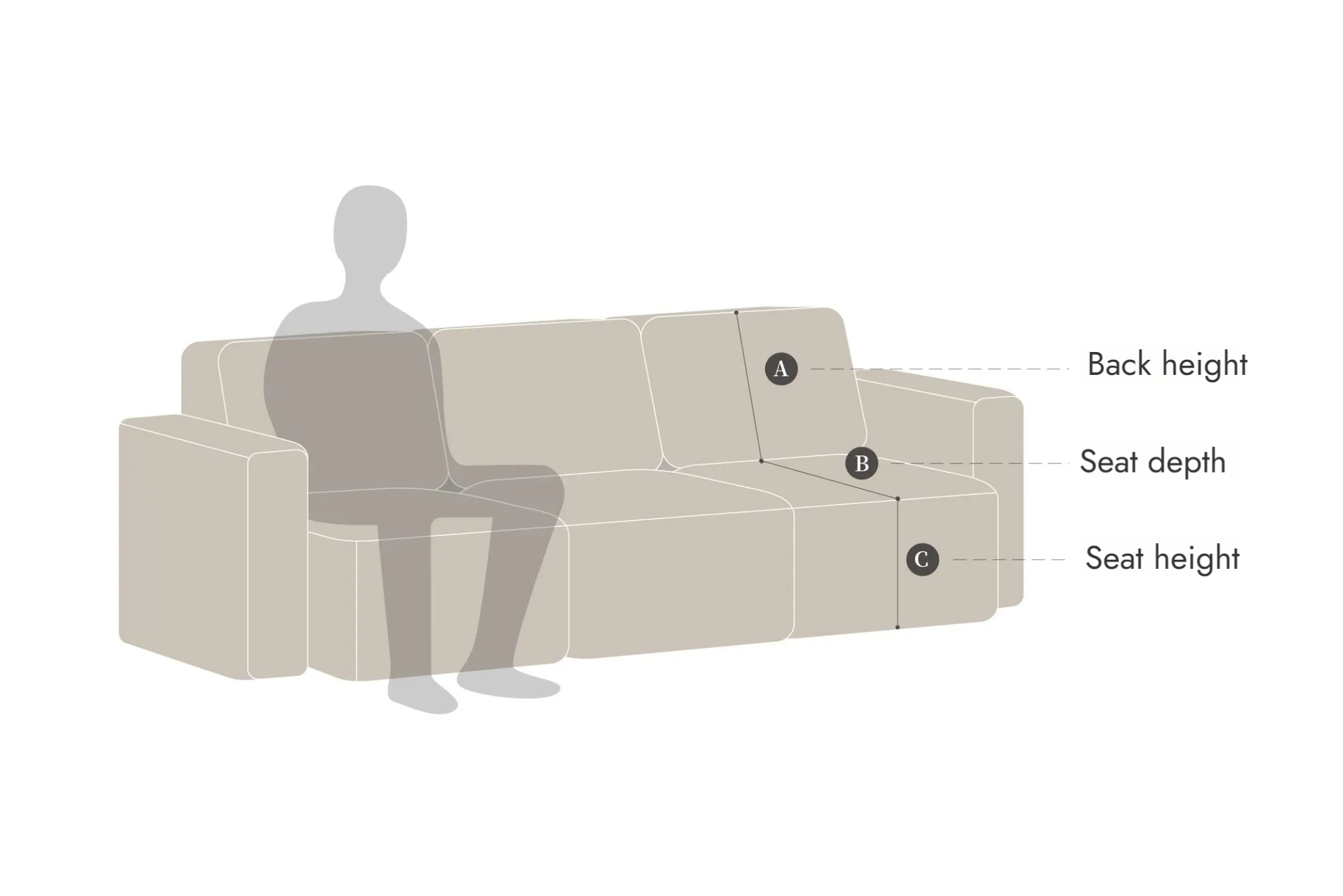
Sofa height is divided into two components: seat height and backrest height.
Seat Height: The appropriate seat height should enable users to sit with their feet flat on the ground. If the seat is too high, it may cause the feet to dangle, which could lead to leg and back discomfort over time. Conversely, a seat that is too low can make it difficult to rise from the sofa.
Backrest Height:
High-Back Sofas: These provide support for the back and neck, allowing users to relax fully while leaning back. High-back sofas are ideal for those who seek more support and comfort.
Low-Back Sofas: These offer a more open and airy visual effect in the space. They also allow users to rest their arms on the backrest and comfortably read or chat while seated in a side position. Low-back sofas are favored for their modern, minimalist look and flexibility in seating posture.
Both high-back and low-back sofas have their own advantages and cater to different preferences, depending on the user’s needs and the desired style of the space.
B.Sofa Seat Depth
The appropriate seat depth allows users to sit with their back fully against the backrest while their legs extend naturally and their feet rest comfortably on the floor.
For the average height of people in Europe and America, the ideal seat depth typically ranges between 50 to 80 cm. If there is a significant height difference among family members, choosing a sofa with a deeper seat can accommodate various preferences. You can then use lumbar cushions or throw pillows to adjust the depth and provide the most comfortable seating experience for everyone.
C.Support vs. Softness: What Kind of Seating Experience Do You Prefer?
In addition to seat depth and height, the firmness or softness of the sofa is an important aspect of seating comfort.
Soft Sofas: In regions like Europe and America, where people are accustomed to reclining with their feet off the ground, softer sofas are preferred for their plush, comfortable feel.
Supportive Sofas: In Asia, where people often sit semi-reclined or upright, sofas with higher support are favored. These provide better spinal support, which is particularly important for maintaining back health. For homes with elderly family members, a high-support sofa can make getting up easier and reduce the risk of knee injuries.
Choosing between a softer or more supportive sofa depends on personal preferences and specific needs, especially considering who will be using the sofa most frequently.
D.Key to Sofa Seating Comfort: Internal Cushion Materials
The internal material of the sofa cushions significantly impacts overall seating comfort. Here’s how different materials affect the seating experience:
Foam:
High-Density Foam: Offers firm support and maintains its shape over time. It provides good support for the body and is durable.
Memory Foam: Conforms to the shape of the body, providing a softer, cushioned feel. It’s great for comfort but may require more frequent fluffing to maintain its shape.
Spring Cushions:
Pocket Springs: Individual springs encased in fabric provide excellent support and distribute weight evenly. They offer a resilient and supportive seating experience.
Sinuous Springs: Continuous springs provide a slightly firmer feel and good support. They are commonly used in mid-range sofas.
Down and Feather:
Down: Offers a luxurious, soft feel but may need regular fluffing to maintain its shape. It provides excellent cushioning but can be less supportive over time.
Feather Blend: A mix of feathers and foam or synthetic materials provides a balance of softness and support, offering a plush feel with reasonable durability.
Polyester Fiberfill:
Fiberfill: Provides a soft, cushioned feel similar to down but is more affordable and requires less maintenance. It may flatten over time and needs periodic fluffing.
The choice of internal material affects not only the comfort and support of the sofa but also its durability and maintenance needs. When selecting a sofa, consider how different materials align with your comfort preferences and lifestyle.
6. Choosing a Durable Sofa
Why Does the Front Edge of My Sofa Sag Over Time?
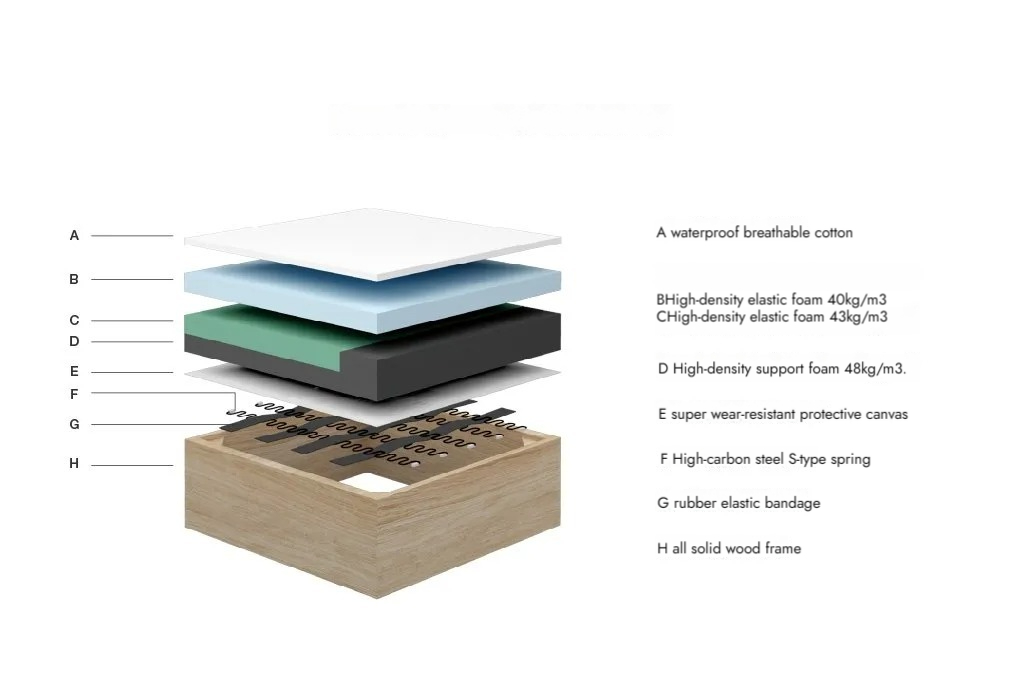
The sagging of a sofa’s front edge can be attributed to various factors beyond just the cushion material mentioned earlier. The overall durability of a sofa is influenced by several components in its internal structure. The sofa’s internal construction, from bottom to top, can be divided into:
Sofa Base Frame (Wooden Frame):
Material: High-quality sofas typically use hardwoods like maple, oak, or beech for the frame, as they are more durable and less prone to warping or breaking. Softwoods like pine are less durable and can lead to quicker wear and tear.
Construction: A well-constructed frame should be joined with mortise-and-tenon joints, dowels, or metal brackets, rather than just nails or staples. This ensures the frame is sturdy and can withstand regular use.
Bottom Support (Webbing or Springs):
Webbing: Traditional webbing is made from strong, durable straps that support the cushion. Quality webbing should be tight and evenly spaced to provide consistent support.
Springs:
Sinuous Springs: These are continuous metal springs that offer a firm, resilient seating experience. They should be properly spaced and secured to provide consistent support.
Pocket Springs: Individual springs enclosed in fabric provide excellent support and help prevent sagging. They offer even distribution of weight and long-term durability.
Cushion Material (Foam, Coil Springs):
Foam: High-density foam is more durable and maintains its shape better over time compared to lower-density options. Ensure that the foam used in cushions is of high quality and properly supported.
Coil Springs: Independent coil springs in cushions offer superior support and prevent sagging. They should be well-constructed and evenly distributed within the cushion.
Multi-Layered Seating Comfort
7. Final Checks Before Purchase: Delivery, Warranty, and Maintenance
Before finalizing your sofa purchase, make sure to verify details regarding delivery, warranty, and maintenance to ensure a smooth process and long-term satisfaction.
Sofa Delivery Considerations:
Entry Dimensions: Confirm that the sofa will fit through all entry points, including building doors, elevators or stairways, and your home’s entrance. Measure the width, height, and depth of these areas.
Special Arrangements for Large Sofas: If you have selected a large sofa, check if a crane will be needed for delivery. Ensure that there is sufficient space for the crane to operate, and consider factors like road access, overhead wires, and window sizes.
Old Sofa Disposal: If you need assistance with removing an old sofa, provide photos to the moving company so they can assess the removal process and costs.
After-Sales Warranty and Service:
Warranty Coverage:
Structural Warranty: Typically covers the frame and internal support systems like springs or webbing. This warranty is usually longer, ranging from 3 to 5 years, depending on the manufacturer.
Fabric and Cushion Warranty: Covers wear and tear of the fabric and cushions. This warranty is generally shorter, around 1 to 2 years, due to varying usage patterns.
Post-Warranty Maintenance: Understand the options available for maintenance and repair after the warranty period ends. This will help you address any issues that arise in the future and keep your sofa in good condition.
By addressing these points, you can ensure that your sofa purchase is not only a great fit for your space and style but also supported by reliable delivery and after-sales services.
Conclusion
Determine Sofa Size: Based on your living room space and the number of users, select the appropriate sofa size.
Choose Sofa Type: Select the sofa type that matches your usage habits and preferences.
Pick Sofa Fabric: Choose the fabric that aligns with the style you want to present.
Test Comfort and Ergonomics: When experiencing sofas in person, consider ergonomics to find your preferred seating comfort. Also, examine the materials and craftsmanship to ensure durability.
Verify Delivery, Warranty, and Maintenance: Before purchasing, confirm delivery arrangements, warranty coverage, and maintenance services to ensure the sofa is delivered smoothly and can be used effectively for years to come.
By following these steps, you can find a sofa that fits your space, style, and comfort needs, while also ensuring a smooth purchase and long-term satisfaction.
BUNISE Sofa Collection
EXTRA SOFA
Imagine the sofa as an island, carrying various aspects of life. Through different combinations and arrangements, endless possibilities can be created. The completed sofa becomes a collection of islands, each reflecting different facets of life. Unique modular accessories allow you to customize and craft your own island according to space dimensions and usage needs, fully showcasing the lifestyle you envision.
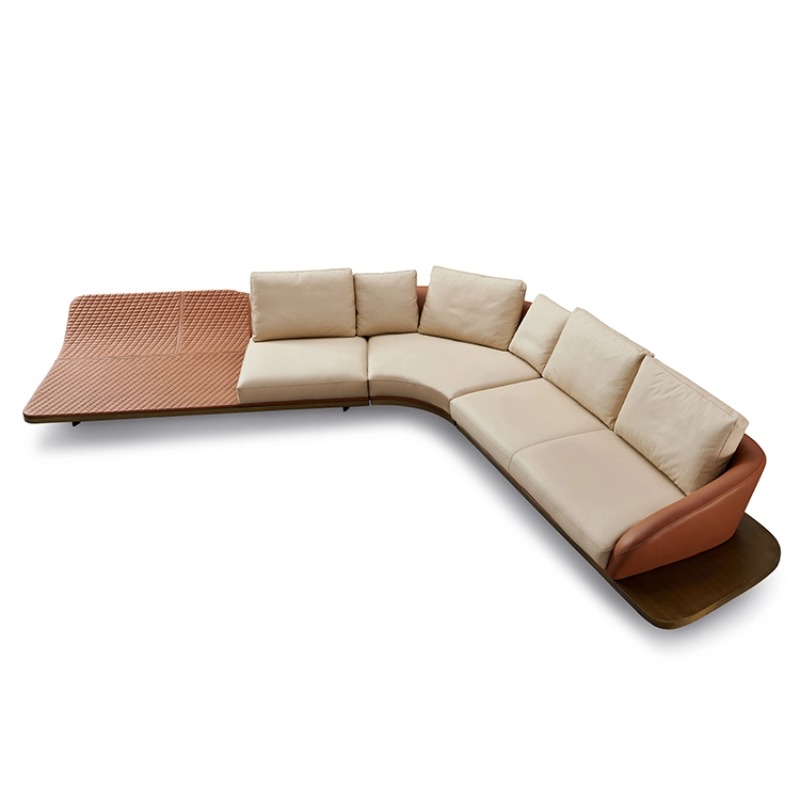
MARALUNGA SOFA
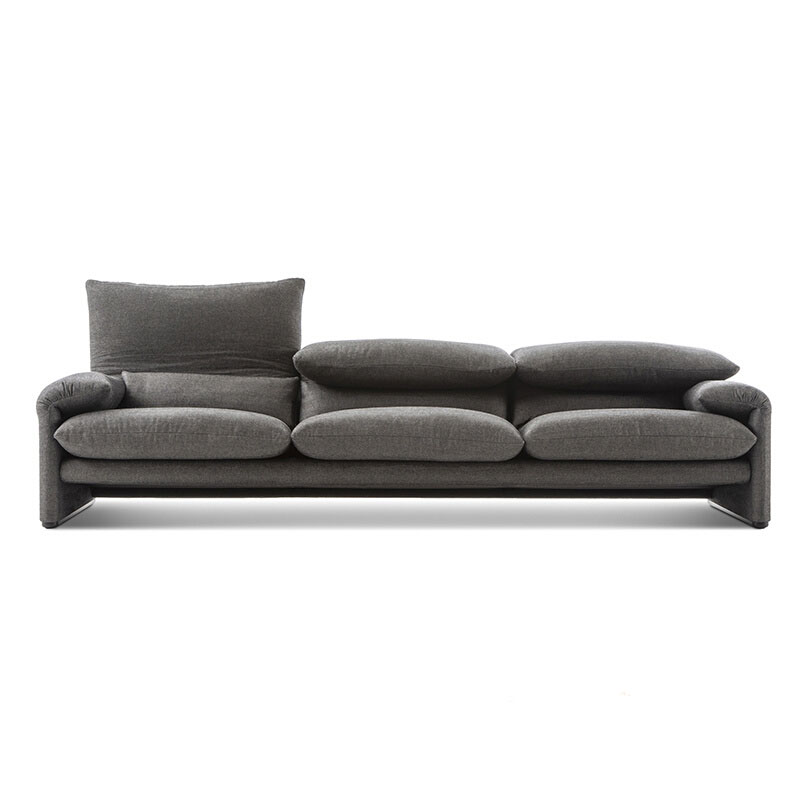
The MARALUNGA sofa features a lighter design with a floating base, enhancing the sense of space and offering more options for spatial arrangement and combinations.
Contact us for showroom reservation and furniture customization now!
Showroom Address:
47,49 Soi Sathorn 9, South Sathorn Road, Yannawa, Sathorn,Bangkok10120